
Defender 90 vs 110 vs 130 — Which Defender Model Should You Choose?
Guide | Outdoors | Driving | Models | Bikes | Capability | Costs | Families | Value | Winter
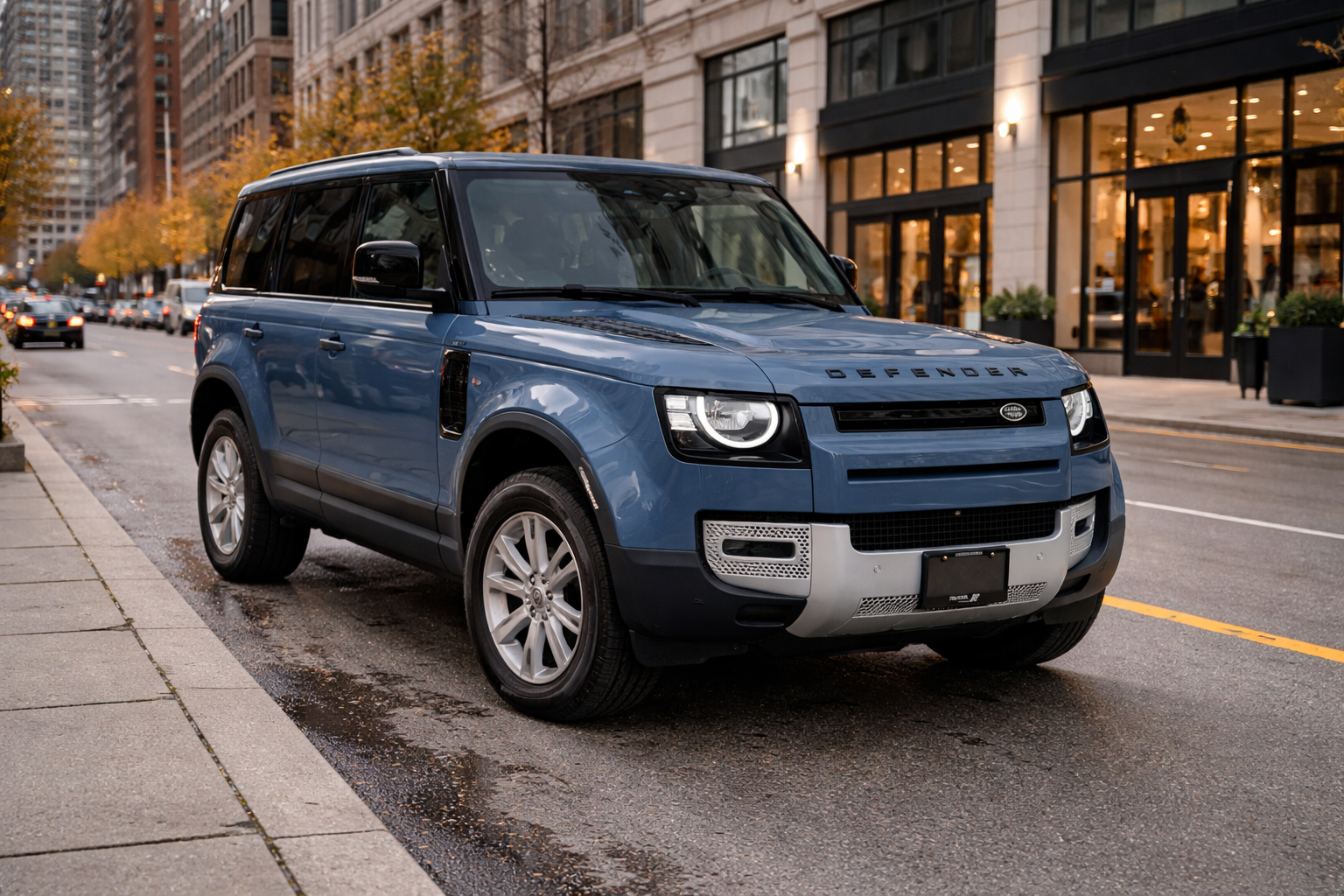
Choosing between the Defender 90, 110, and 130 is the single most important decision most buyers make. All three share the same engineering, capability, and design language, yet they feel completely different in daily use. The right choice depends less on budget and more on how the vehicle will fit into your lifestyle over the next several years.
In Ontario, factors such as winter driving, parking environments, family needs, and travel habits heavily influence this decision. Many buyers initially assume bigger is better, but that is not always the case. Maneuverability, garage space, and passenger usage patterns often matter more than raw size.
This guide breaks down each model from a real-world ownership perspective so you can choose with confidence rather than guesswork.
Defender 90 — Personal, Distinctive, and Urban-Friendly
Who the 90 Is Best For
The Defender 90 suits drivers who prioritize style, agility, and personal use over maximum passenger capacity. It appeals strongly to couples, empty nesters, and urban professionals who want a distinctive vehicle that is easier to maneuver than larger SUVs.
Daily Driving Experience
Shorter length makes city driving and parking noticeably easier. It feels more nimble in traffic and less intimidating in tight structures. However, rear seat access requires folding the front seats, which can become inconvenient if passengers frequently ride in the back.
Cargo and Practicality
Cargo space is respectable but limited compared with the larger models. For weekend trips or sports gear, it works well. For family road trips or bulky equipment, the space can feel restrictive.
Defender 110 — The Balance Most Buyers Choose
Why the 110 Is the Sweet Spot
The Defender 110 offers the best balance between usability, passenger comfort, and maneuverability. It functions comfortably as a daily driver while still providing meaningful cargo capacity and rear seating space.
Passenger Comfort
Rear passengers benefit from easy access and generous legroom. This makes the 110 suitable for families, colleagues, or frequent carpooling without requiring the size of the 130.
Everyday Practicality
Most Ontario buyers find the 110 manageable in parking garages, suburban neighborhoods, and city streets. It handles long commutes, winter driving, and road trips equally well, making it the safest choice for buyers unsure which model to select.
Defender 130 — Maximum Space, Utility and Capability for Families and Adventures
When the 130 Makes Sense
The Defender 130 is designed for buyers who genuinely need additional passenger capacity. Its extended body allows for a usable third row while maintaining strong cargo space.
Third-Row Reality
Unlike many SUVs where the third row is occasional use only, the 130’s rear seats can accommodate children comfortably and adults for shorter trips. This makes it ideal for large families or group travel.
Trade-Offs to Consider
The extra length affects maneuverability and parking. Tight urban environments and smaller garages may require more attention. Fuel consumption may also be slightly higher due to size and weight.
Key Differences That Matter Long Term
Maneuverability
Smaller models are easier to live with in dense urban areas. The difference between the 110 and 130 is especially noticeable in parking situations.
Passenger Needs
Buyers who regularly carry more than four passengers should strongly consider the 130. Occasional use may not justify the added size.
Cargo Requirements
Frequent travel with large equipment, sports gear, or luggage may favor the 110 or 130. The 90 is best for lighter loads.
Which Defender Is Right for Your Lifestyle?
Choose the 90 if you want:
- Distinctive styling
- Easier parking
- Personal or couple use
- Urban agility
Choose the 110 if you want:
- Maximum versatility
- Family usability
- Daily comfort
- Balanced size
Choose the 130 if you want:
- True three-row capability
- Large family transport
- Frequent group travel
- Maximum interior space
Final Thoughts:
The Right Size Prevents Future Regret
Most long-term satisfaction comes from selecting the model that matches how the vehicle will actually be used, not how it looks in photos. The Defender 110 remains the safest choice for most buyers, while the 90 and 130 excel in more specialized roles.
Taking time to evaluate parking conditions, passenger patterns, and travel habits will ensure the vehicle feels appropriate every day, not just during the first few weeks of ownership.
Speak With a Defender Advisor
If you are evaluating ownership costs or deciding whether a Defender fits your long-term needs, personalized guidance can help you choose the right configuration and avoid unnecessary expenses.
Get expert insight tailored to your driving habits, budget, and Ontario conditions.
👉 Book your private consultation here:
https://jonnyg.ca/consultation/
Questions People Ask
Which Defender model is best for families?
The Defender 110 suits most families due to its spacious rear seating and cargo area, while the Defender 130 is ideal for larger households that regularly use a third row.
Is the Defender 90 too small?
Not necessarily. The 90 works well for couples or individuals who rarely carry rear passengers, but limited rear access and cargo space make it less practical for families.
Is the Defender 130 difficult to drive in the city?
The 130 is larger and requires more attention in tight spaces, but modern driver assistance systems help make it manageable for most drivers.
Which Defender is easiest to park?
The Defender 90 is the easiest to maneuver due to its shorter length. The 110 remains manageable, while the 130 requires the most space.
Does the Defender 130 have a usable third row?
Yes. Unlike many SUVs, the 130’s third row can accommodate children comfortably and adults for shorter trips.
Which Defender model is best for daily driving?
The Defender 110 is typically the best daily driver because it balances comfort, space, and maneuverability.
Should I buy a larger Defender just in case?
Choosing based on actual daily needs usually leads to greater satisfaction. Larger models provide more space but reduce maneuverability and efficiency.
Guide | Outdoors | Driving | Models | Bikes | Capability | Costs | Families | Value | Winter