
Is Winter Driving a Defender Fun!
Guide | Outdoors | Driving | Models | Bikes | Capability | Costs | Families | Value | Winter
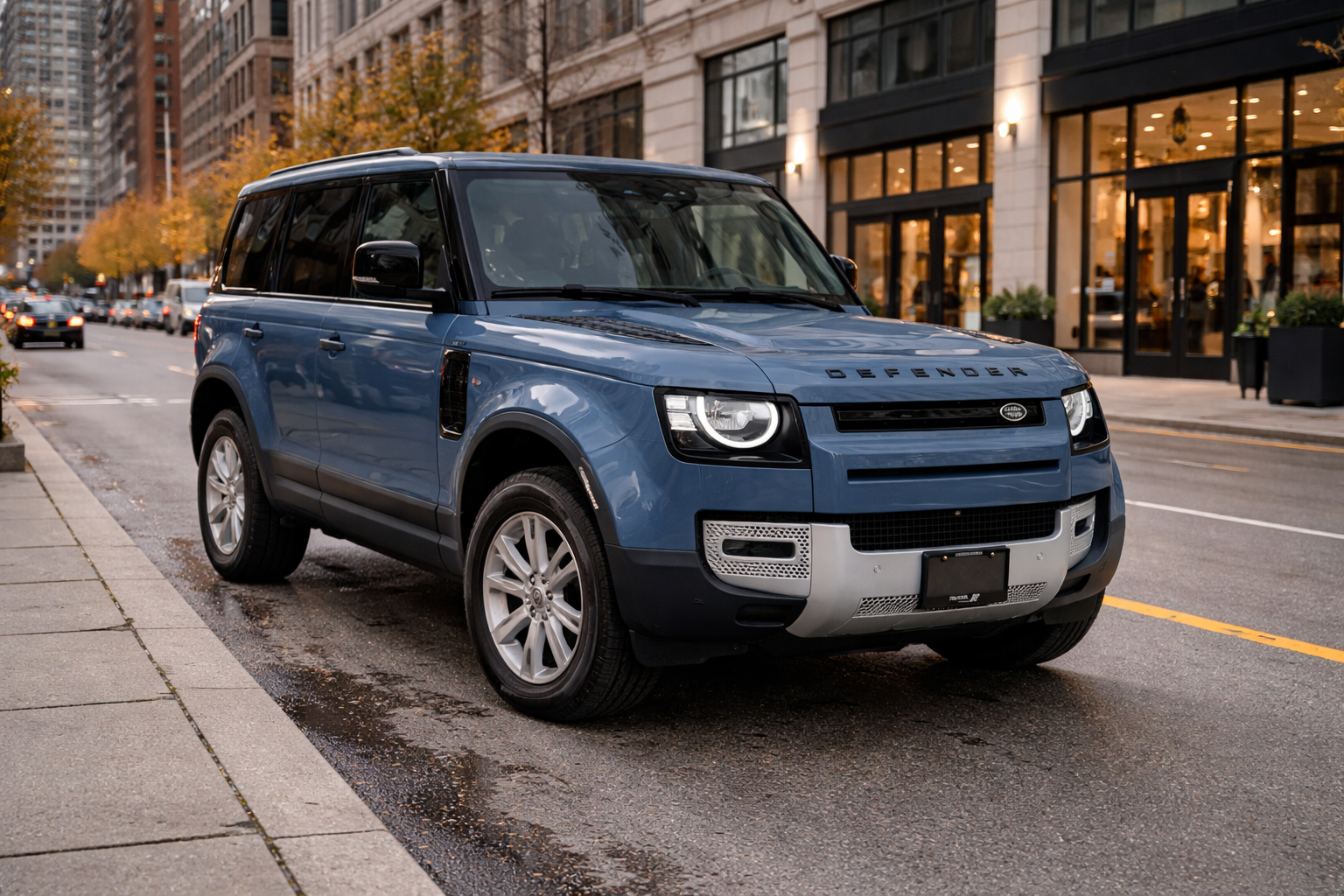
How It Performs in Ontario Conditions
Winter performance is one of the most important factors for SUV buyers in Ontario. Snow accumulation, ice, freezing rain, and rapidly changing road conditions demand a vehicle that can maintain traction, stability, and driver confidence. The Defender is engineered with these realities in mind.
Unlike vehicles that rely primarily on electronics to simulate capability, the Defender combines permanent all-wheel drive, substantial ground clearance, and advanced traction systems with a robust mechanical foundation. This allows it to perform consistently across a wide range of winter scenarios, from urban commuting to unplowed rural roads.
For many owners, winter is when the Defender feels most at home.
Traction and Stability on Snow and Ice
Permanent All-Wheel Drive Advantage
Power is continuously distributed to all four wheels, improving grip when surfaces become slippery. This provides smoother acceleration and greater control compared with part-time systems.
Electronic Traction Systems
Sensors monitor wheel slip and adjust torque automatically. This helps maintain forward motion on ice or packed snow without requiring driver intervention.
Predictable Handling
Rather than feeling nervous or unstable, the Defender remains composed, allowing drivers to make gradual steering and braking inputs with confidence.
Ground Clearance and Deep Snow Capability
Clearance That Matters
Higher ride height prevents the vehicle from becoming stuck when snow accumulates between tire tracks. This is especially valuable after heavy storms or in rural areas.
Navigating Snowbanks and Driveways
Steep or partially cleared driveways are common challenges. The Defender’s approach angles and traction allow it to climb surfaces that stop lower vehicles.
Reduced Risk of Getting Beached
Deep snow can immobilize vehicles with limited clearance. The Defender’s height significantly reduces this risk.
Importance of Proper Winter Tires
Tires Are the Biggest Performance Factor
Even the most advanced all-wheel drive system cannot compensate for inadequate tires. Dedicated winter tires dramatically improve braking, cornering, and acceleration.
Cold Temperature Performance
Winter compounds remain flexible in low temperatures, providing better grip on icy surfaces.
Safety Benefits
Shorter stopping distances are often more important than acceleration capability during winter driving.
Visibility and Driver Confidence
Elevated Seating Position
Drivers sit higher than in most SUVs, improving visibility over traffic and snowbanks.
Effective Defrost and Heating
Rapid windshield clearing and heated components improve comfort and safety during cold starts.
Lighting Performance
Modern headlight systems provide strong illumination during dark winter evenings and storms.
Everyday Winter Scenarios in Ontario
Urban Commuting
Stop-and-go traffic, slush, and icy intersections are handled with stability.
School Runs and Errands
Frequent short trips in cold weather are more comfortable due to heated features and cabin insulation.
Rural Travel
Unplowed roads, drifting snow, and uneven surfaces present fewer obstacles compared with lower vehicles.
Which Defender Model Is Best for Winter Driving?
Best All-Around Choice
Defender 110 — balances maneuverability and capability.
Best for Urban Environments
Defender 90 — easier parking while retaining full winter performance.
Best for Large Families or Remote Areas
Defender 130 — maximum space with the same traction advantages.
Final Thoughts:
Built for Harsh Conditions
The Defender’s winter capability is not a secondary feature. It is a core strength. For Ontario drivers facing unpredictable weather, heavy snowfall, and diverse road conditions, the vehicle provides reassurance that mobility will be maintained even when conditions deteriorate.
With proper tires and sensible driving habits, the Defender becomes one of the most confidence-inspiring vehicles available for Canadian winters.
Questions People Ask
Is the Defender good in heavy snow?
Yes. High ground clearance, permanent all-wheel drive, and traction systems allow the Defender to handle deep snow effectively.
Do I still need winter tires on a Defender?
Yes. Winter tires significantly improve braking, steering, and overall safety in cold conditions.
Can the Defender drive on icy roads safely?
With proper tires and cautious driving, the Defender provides strong stability and control on ice compared with many vehicles.
Is the Defender better than a regular SUV in winter?
Its combination of clearance, traction, and durability gives it advantages in severe conditions, particularly on unplowed roads.
Does the Defender handle freezing rain well?
While no vehicle eliminates ice risk, the Defender’s traction systems and stability help maintain control.
Which Defender model is best for Canadian winters?
All models perform well, but the 110 offers the best balance of size, practicality, and maneuverability for most drivers.
Guide | Outdoors | Driving | Models | Bikes | Capability | Costs | Families | Value | Winter